
WRC Partners with Indigenous Communities to Revolutionize River Basin Monitoring
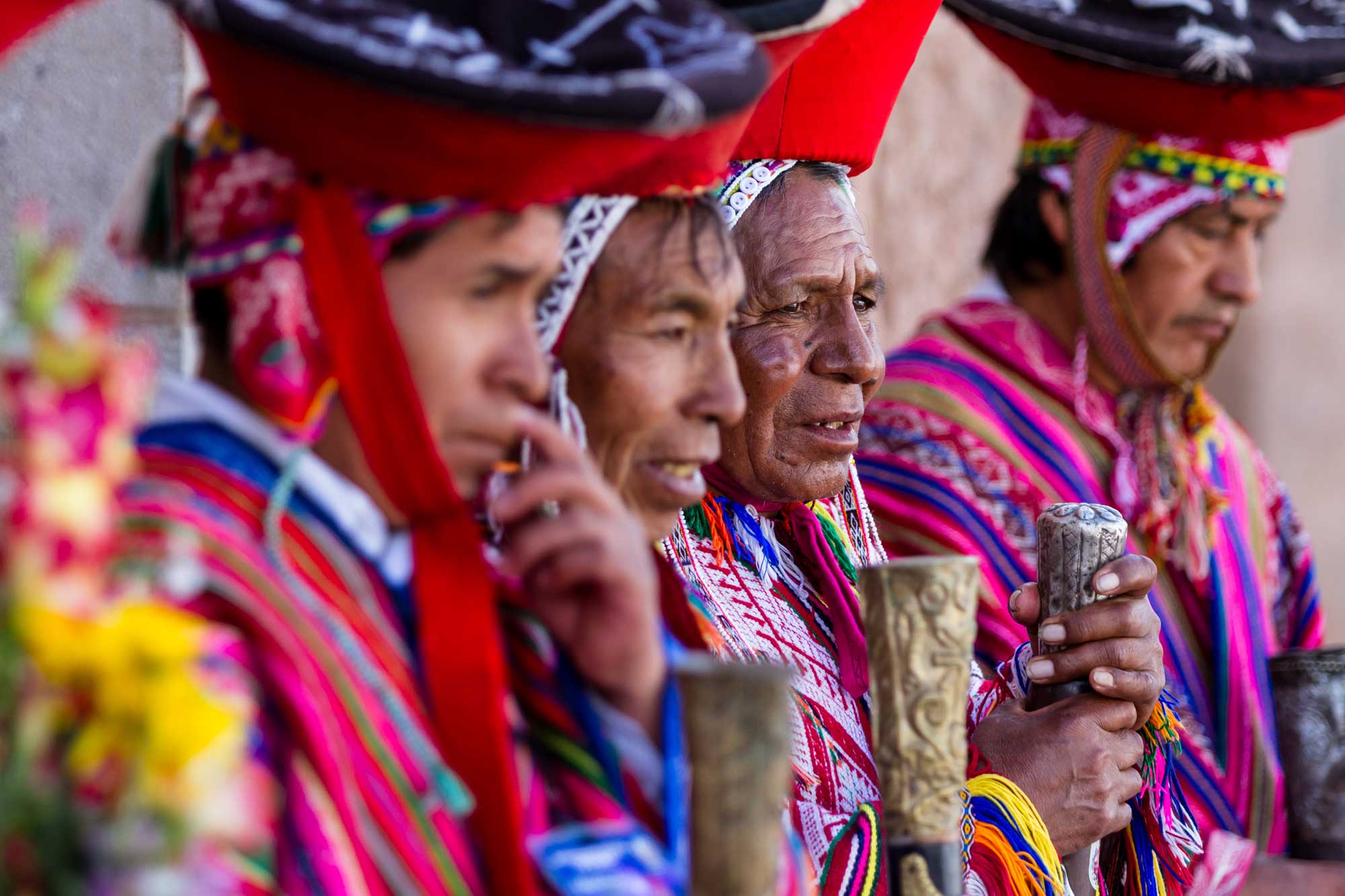
The Water Research Center has formally launched a groundbreaking collaborative research initiative that brings together indigenous community leaders, traditional knowledge holders, and hydrological scientists to develop a new integrated model for river basin monitoring and governance. The program, titled Listening to the River, was officially inaugurated last week during a ceremony held at the banks of one of the country’s most ecologically significant river systems, attended by representatives from seven indigenous communities, local government officials, and the WRC’s interdisciplinary research team. The initiative is the first of its kind in the region to formally embed traditional ecological knowledge into a structured, government-recognized water monitoring framework.
At the heart of the program is a recognition that indigenous communities have been observing, interpreting, and managing river systems for generations, accumulating detailed environmental knowledge that scientific instruments and periodic sampling surveys are often unable to capture. “Our elders have names for water conditions, seasonal changes, and warning signs that took centuries to develop,” said community elder and program co-facilitator Lola Estrella Mamangon during the launch ceremony. “Now, for the first time, someone is genuinely asking us to teach them what we know.” WRC researchers have spent the past year conducting extensive participatory consultations to document oral environmental histories, seasonal calendar systems, and traditional indicators of water quality and ecological health.
The initiative also features a community-based water quality monitoring component, through which trained local monitors from partner communities use field-portable testing kits and a custom-developed mobile reporting application to log real-time observations on turbidity, odor, biological indicators, and pollution events. This grassroots data network is designed to complement the WRC’s fixed sensor stations by providing high-frequency, spatially distributed observations that significantly enhance the center’s early-warning capabilities for pollution incidents and flood events. Data collected by community monitors is fed directly into the WRC’s integrated river basin dashboard, with full attribution and co-ownership rights granted to participating communities.
The WRC has committed to a five-year program timeline, with annual reviews co-governed by a steering committee that includes equal representation from indigenous community leaders and research center scientists. Funding for the initiative has been secured through a combination of national government grants and support from an international freshwater conservation foundation. Program coordinators hope that the model developed through Listening to the River will serve as a replicable template for indigenous-scientific co-management of water resources across the country and the broader Asia-Pacific region. A comprehensive program report and policy brief are expected to be released at the end of the first implementation year.