
Water Research Center Unveils Alarming Findings on Microplastic Levels in Metro Waterways
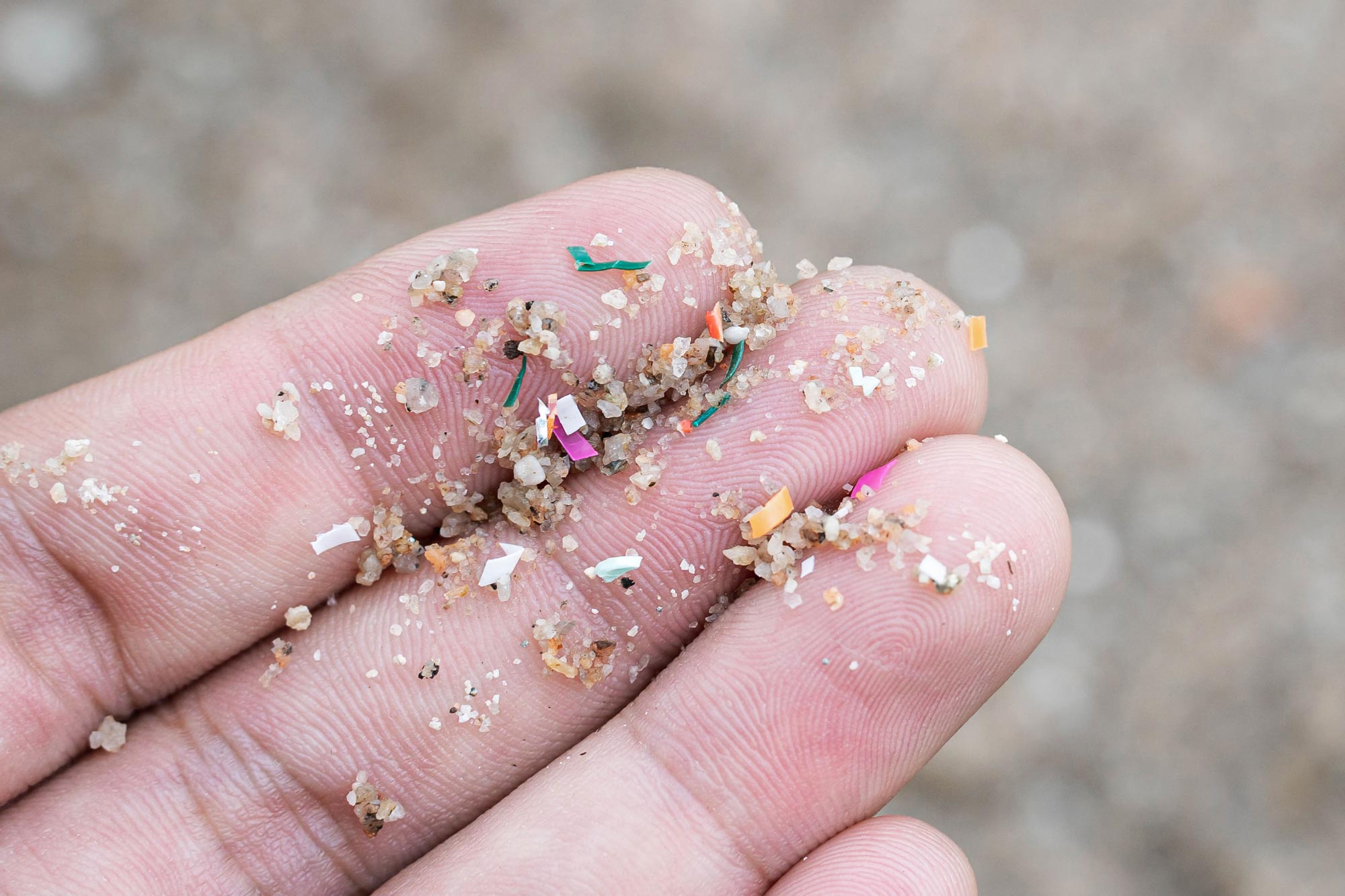
Scientists at the Water Research Center (WRC) have released a landmark study revealing dangerously elevated levels of microplastic contamination in urban freshwater systems across major metropolitan areas. The two-year investigation, which analyzed water samples from over 120 collection points spanning rivers, reservoirs, and groundwater wells, found that microplastic concentrations in densely populated urban zones exceed previously recorded benchmarks by as much as 340 percent. The research team employed cutting-edge Fourier-transform infrared spectroscopy and Raman imaging to identify and classify more than 18 distinct polymer types, with polyethylene, polypropylene, and polyester microfibers accounting for the majority of detected particles.
“These results are deeply concerning, and they demand immediate attention from both policymakers and the public,” said Dr. Marisol Reyes, lead researcher and head of the WRC’s Freshwater Contaminants Division. “What we are seeing is not simply an environmental problem — it is a public health emergency in the making.” The study found that conventional municipal water treatment facilities remove only an estimated 70 to 80 percent of microplastic particles, leaving a significant residual load that ultimately reaches household taps. Vulnerable populations, including children and the elderly, face disproportionate exposure risks.
In response to the findings, the WRC has formally submitted a technical advisory to national environmental regulators urging the immediate review of water treatment standards and the fast-tracking of advanced filtration infrastructure investments. The center has also launched a public-facing interactive contamination map, available on its website, allowing residents to view microplastic concentration data by district and water source. Parallel laboratory trials are currently underway testing the viability of membrane bioreactor systems and biochar filtration as cost-effective remediation solutions.
The WRC emphasized that addressing microplastic contamination requires a multi-sectoral response, calling on textile manufacturers, plastic packaging producers, and wastewater operators to collaborate on source-reduction strategies. A national symposium on freshwater microplastic governance is scheduled for June 2026, where the full research report will be presented alongside proposed legislative frameworks. The center has pledged to conduct follow-up monitoring annually to track contamination trends and evaluate the effectiveness of any interventions implemented.